
- English
- 简体中文
- tiếng Việt
- Indonesia
- שפה עברית
- Hrvatski
- Malti
- lugha ya Kiswahili
- Hausa
- Монгол хэл
- O'zbek
- Հայերեն
- Español
- Português
- русский
- Français
- 日本語
- Deutsch
- Italiano
- Nederlands
- ภาษาไทย
- Polski
- 한국어
- Svenska
- magyar
- Malay
- বাংলা ভাষার
- Dansk
- Suomi
- हिन्दी
- Pilipino
- Türkçe
- Gaeilge
- العربية
- Norsk
- český
- ελληνικά
- український
- Javanese
- فارسی
- Burmese
- български
- ລາວ
- Azərbaycan
- Slovenský jazyk
- Lietuvos
- Eesti Keel
- Română
- Slovenski
- தமிழ்

How to Improve the Efficiency and Reliability of a Screw Compressor in Industrial Applications
In modern industrial production, compressed air is often considered the "fourth utility" after electricity, water, and gas. A stable compressed air system directly affects production efficiency, product quality, and operating costs.
Among different types of industrial air compressors, the Screw Compressor has become one of the most widely used solutions because of its continuous operation capability, high reliability, and excellent energy efficiency.
However, many factories still experience problems such as high energy consumption, unstable air pressure, and frequent maintenance due to improper equipment selection or inefficient system operation.
This article discusses several practical methods to improve the performance and service life of a Screw Compressor in industrial applications.
Understanding the Working Principle of a Screw Compressor
A Screw Compressor uses two intermeshing rotors to compress air inside the compression chamber. Unlike reciprocating compressors that rely on piston movement, the rotary screw design provides continuous airflow with fewer vibration problems.
During operation, air enters the compression chamber, where the rotating screws reduce the air volume and increase pressure. In oil-injected models, lubricating oil also helps with sealing, cooling, and reducing internal leakage.
Due to this working principle, an industrial Screw Compressor can provide stable compressed air for factories that require long operating hours.
Why Industrial Users Prefer Screw Compressor Systems
Many manufacturing facilities choose a Screw Compressor instead of traditional piston compressors because of several advantages.
1. Continuous and Stable Operation
Industrial production lines often require compressed air 24 hours a day. A high-quality Screw Compressor is designed for continuous duty operation and can maintain stable pressure even under demanding working conditions.
2. Lower Energy Consumption
Energy cost is usually the largest part of the total lifecycle cost of an air compressor.
Modern energy-saving Screw Compressor systems use technologies such as permanent magnet motors, variable frequency drives, and optimized air-end designs to reduce unnecessary power consumption.
For factories with fluctuating air demand, a variable speed Screw Compressor can automatically adjust motor speed according to actual consumption, avoiding energy waste during low-demand periods.
Key Factors Affecting Screw Compressor Efficiency
Although the equipment itself plays an important role, several external factors also influence the efficiency of a Screw Compressor.
Proper Capacity Selection
Choosing the correct compressor capacity is essential.
If the selected Screw Compressor is oversized, the machine may frequently enter unloaded operation, resulting in unnecessary electricity consumption.
If the capacity is too small, the compressor will operate under excessive load, increasing wear and reducing service life.
Therefore, factories should evaluate actual air consumption, working pressure, and future expansion plans before selecting equipment.
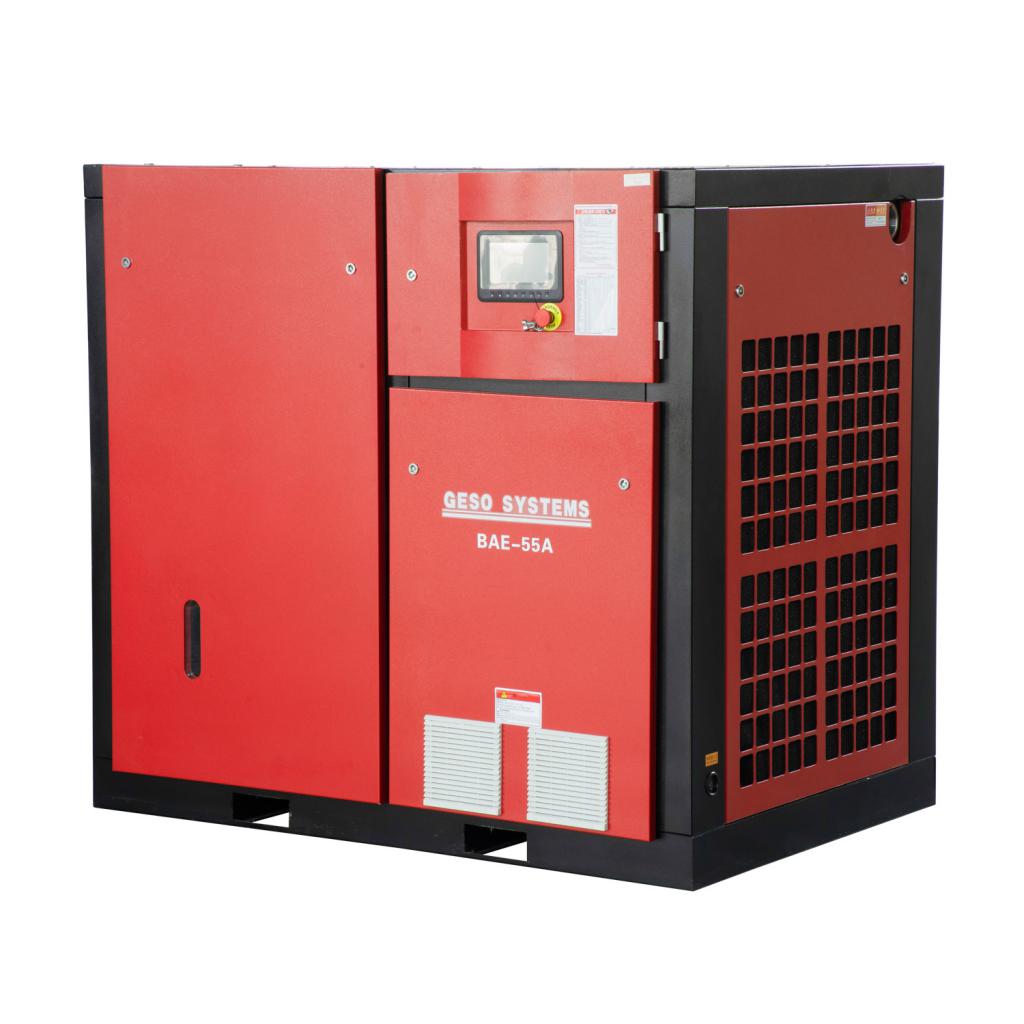
The Importance of Regular Maintenance
Regular maintenance is one of the most effective ways to keep a Screw Compressor operating efficiently.
Important maintenance items include:
- Checking air filters regularly
-
Replacing oil filters according to operating conditions
-
Monitoring oil quality
-
Cleaning coolers
- Checking operating temperature and pressure
A well-maintained Screw Compressor can maintain high efficiency throughout its service life and reduce unexpected downtime.
How Intelligent Control Improves Screw Compressor Performance
With the development of Industry 4.0, intelligent control systems are becoming increasingly common in modern compressed air solutions.
Advanced controllers can monitor:
-
Operating pressure
-
Energy consumption
-
Running hours
-
Maintenance requirements
- Load and unload conditions
By analyzing real-time data, operators can optimize the operation of the Screw Compressor and identify potential problems before equipment failure occurs.
Energy-Saving Solutions for Modern Screw Compressor Applications
Electricity consumption is a major concern for industrial users.
A traditional fixed-speed compressor always runs at the same motor speed, even when compressed air demand changes.
A variable frequency Screw Compressor provides a more efficient solution by adjusting motor speed based on actual demand.
For factories with changing production schedules, this technology can significantly improve system efficiency and reduce operating costs.
Choosing the Right Screw Compressor Manufacturer
Selecting a reliable manufacturer is as important as choosing the correct compressor model.
A professional Screw Compressor supplier should provide:
-
Advanced compressor technology
-
Stable component quality
-
Complete technical support
-
Customized solutions
- Reliable after-sales service
Different industries have different compressed air requirements. Experienced manufacturers can help customers design a suitable system based on pressure, airflow, installation environment, and production conditions.
Future Development Trends of Screw Compressor Technology
The future development of the Screw Compressor industry is mainly focused on energy efficiency, intelligent operation, and environmental sustainability.
Several trends are becoming increasingly important:
Higher Motor Efficiency
High-efficiency motors can reduce electricity consumption and improve overall system performance.
Smart Monitoring
Remote monitoring and data analysis will help factories achieve predictive maintenance.
More Environment-Friendly Designs
Manufacturers are developing more efficient compressor technologies to reduce carbon emissions and operating costs.
Conclusion
A reliable Screw Compressor is not only a source of compressed air but also an important part of industrial energy management.
By selecting the correct model, improving system design, performing regular maintenance, and adopting energy-saving technologies, factories can achieve better efficiency and lower operating expenses.
As industrial requirements continue to increase, high-performance Screw Compressor solutions will remain an essential choice for manufacturing industries worldwide.
For companies looking for a professional compressed air solution, working with an experienced Screw Compressor manufacturer can help ensure long-term reliability, efficiency, and value.