- English
- 简体中文
- tiếng Việt
- Indonesia
- שפה עברית
- Hrvatski
- Malti
- lugha ya Kiswahili
- Hausa
- Монгол хэл
- O'zbek
- Հայերեն
- Español
- Português
- русский
- Français
- 日本語
- Deutsch
- Italiano
- Nederlands
- ภาษาไทย
- Polski
- 한국어
- Svenska
- magyar
- Malay
- বাংলা ভাষার
- Dansk
- Suomi
- हिन्दी
- Pilipino
- Türkçe
- Gaeilge
- العربية
- Norsk
- český
- ελληνικά
- український
- Javanese
- فارسی
- Burmese
- български
- ລາວ
- Azərbaycan
- Slovenský jazyk
- Lietuvos
- Eesti Keel
- Română
- Slovenski
- தமிழ்

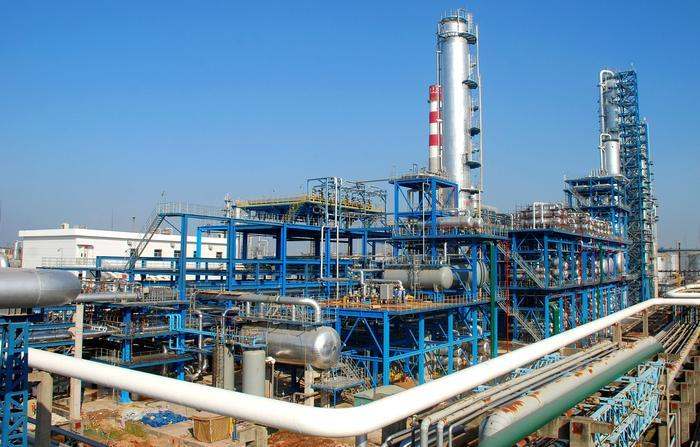
Air compressors help the petrochemical industry achieve efficient production and safe operation.
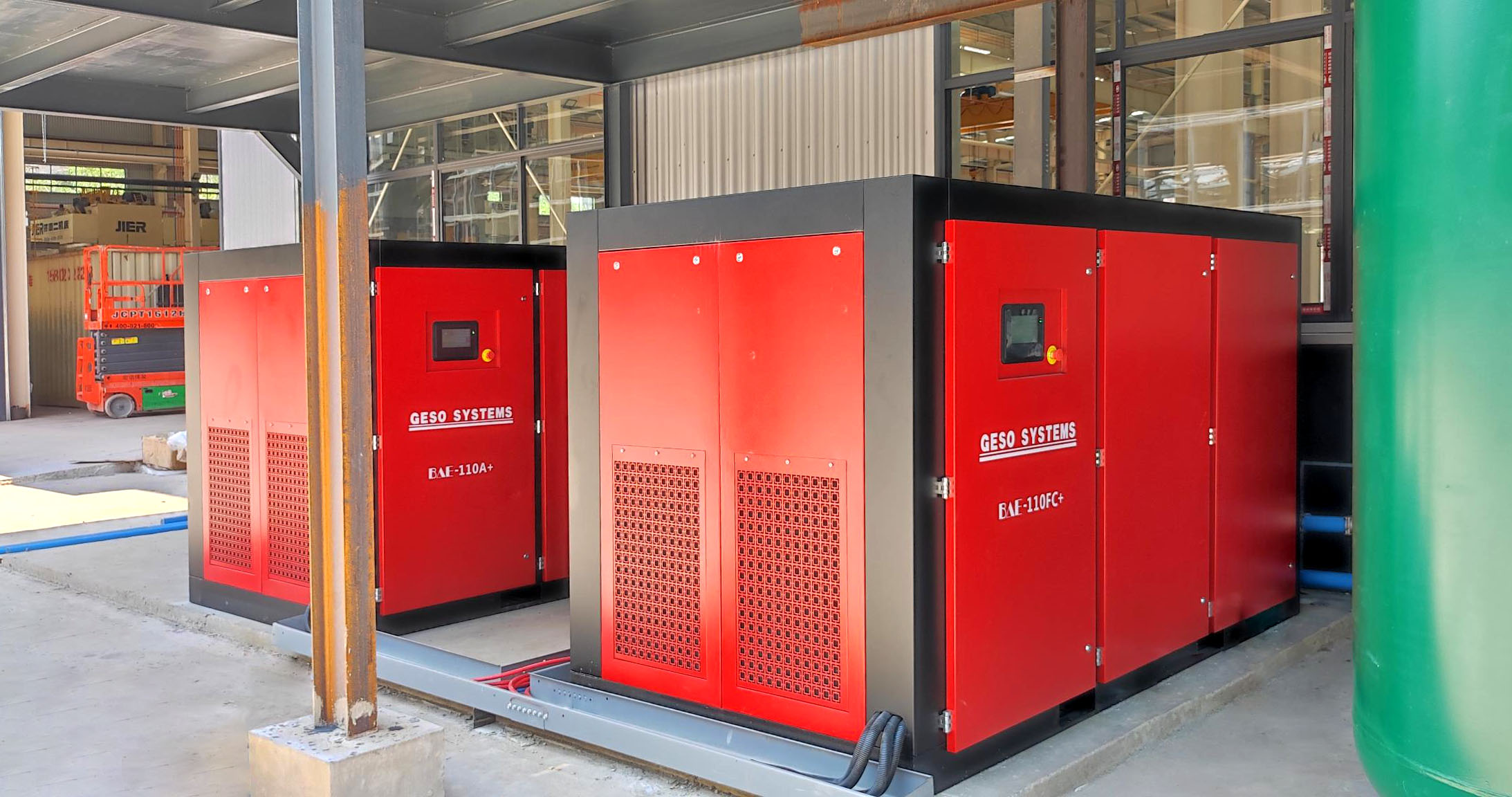
In the petrochemical industry, air compressor provide clean and stable compressed air for petrochemical production. From resource development to product storage and transportation, air compressors serve as indispensable tools and equipment. This article will introduce how air compressors contribute to safe production in the petroleum and chemical industry from several aspects, including driving gasoline separators, ensuring the operation of core refining equipment, and safeguarding storage and transportation.
Drive equipment and gasoline separation tools in oil and gas extraction
1.In oil and gas extraction operations, air compressors can serve as optimization equipment in oil extraction processes. In some special oil extraction processes, such as gas lift and water injection, the compressed air from air compressors can serve as driving power to provide energy supplementation to the surface layer, thereby ensuring the extraction and collection of crude oil.
2. In oil and gas extraction, air compressors can also serve as support for drilling equipment. Whether in onshore or offshore drilling operations, air compressors can act as driving devices, providing power for the circulation of the mud system. By driving the drilling fluid with high-pressure airflow, they carry rock cuttings back to the surface, thereby maintaining the balance of wellbore pressure.
3. Power source and cleaning for pipeline transportation: Air compressors can pressurize long-distance pipelines. In some inter-regional oil and gas pipelines, air compressors can provide power for natural gas booster stations. Through multi-stage compression, natural gas can be lifted into the pipeline, ensuring long-distance pipeline transportation. Furthermore, long-term transportation can leave scale and impurities on the inner wall of the pipeline, which also needs to be cleaned using air compressors to maintain the pipeline's transport capacity and extend its service life.
4. After oil and gas extraction is completed, the oil and gas mixture will be transported to an oil and gas processing station. The extracted oil and gas mixture will be separated using compressed air flotation separation technology to improve the quantity and quality of the extracted crude oil.
As a guarantee for core equipment in production and refining
1. Driving tools for other production equipment, nitrogen equipment. Using pressure swing adsorption (PSA) technology, the air compressor provides compressed air as the raw material for nitrogen production to extract high-purity nitrogen. Used in safety protection scenarios such as tank inerting and pipeline purging.
2. As a safeguard in the hydrogenation process, in hydrogenation units for wax oil, petroleum, etc., in order to maintain the hydrogen circulation of the reaction system and ensure the depth of the entire hydrogenation reaction, an air compressor is needed to provide power support for the circulating hydrogen compressor.
3. As a supporting medium for catalytic cracking, for example, in a heavy oil catalytic cracking unit, compressed air provided by an air compressor can serve as a fluidizing medium to maintain the fluidization state of the catalyst bed and promote the cracking of heavy oil molecules into light hydrocarbons.
Air compressors serve as a safety safeguard in oil transportation and storage.
1. Assisting loading and unloading equipment operations: At some docks and railway loading and unloading sites, air compressors are needed to provide compressed air power for the loading arm sealing system to prevent oil and gas evaporation or leakage. This drives the pneumatic pump to complete the quantitative loading of oil products, and through the linkage of a flow meter and pneumatic actuator, accurate metering and automated loading are achieved.
2. In some large crude oil storage areas, the breathing control valve requires compressed air from an air compressor to drive it, so as to realize automatic pressure regulation inside the storage tank and prevent the risk of tank collapse or overpressure due to temperature changes.